A smile has the power to change the way people feel about themselves and how they connect with others. Recently, more patients have been seeking cosmetic dental solutions that improve the look of their teeth without invasive procedures.
According to the American Academy of Cosmetic Dentistry, over 99% of people believe that a smile is an important social asset, and more than half of adults in the United States say they would like to improve their smile. These numbers reveal how central a confident smile is in both personal and professional life.
This demand has fueled the rise of minimally invasive treatments such as ultra-thin veneers and no-prep veneers. Unlike traditional veneers, which often require significant enamel removal, these modern options are designed to enhance the smile while preserving natural tooth structure. Patients today no longer want a perfect smile at the expense of their dental health. Instead, they want cosmetic dentistry that is safe, conservative, and effective. Ultra-thin and no-prep veneers are becoming the answer for many.
Ultra-Thin No-Prep Veneers: Key Benefits for Your Smile
- Ultra-thin and no-prep veneers are designed to transform smiles with little to no enamel removal.
- They represent a patient-friendly alternative to traditional veneers, preserving natural teeth.
- These veneers are ideal for correcting minor cosmetic issues such as discoloration, chips, and gaps.
- Advances in dental technology have made them more natural-looking and comfortable than ever.
- Choosing the right dental provider is crucial for achieving lasting and natural results.
What Are Ultra-Thin and No-Prep Veneers?

Ultra-thin veneers and no-prep veneers are advancements in cosmetic dentistry that align with a growing focus on minimally invasive treatments. Veneers, in general, are thin shells placed on the front surface of teeth to improve their appearance. Traditionally, achieving the right fit required grinding down a noticeable portion of enamel.
With ultra-thin and no-prep veneers, the story is different. These shells are so thin, often around 0.2 millimeters, that they can be placed with little or no enamel removal. Patients can enjoy a smile makeover without the discomfort or permanence of enamel reduction.
This approach has quickly gained popularity among individuals who want aesthetic improvement while still protecting their natural teeth.
A Brief History of Veneers
Dental veneers were first introduced in the 1930s as a way to enhance smiles for Hollywood actors. Early versions were temporary and primarily used for on-screen appearances. By the 1990s, porcelain veneers became the standard, offering durability and a natural appearance that made them a favorite among celebrities.
However, traditional veneers required removing up to half a millimeter of enamel. While effective, this approach sparked concerns over sensitivity and the irreversible nature of enamel reduction. By the early 2000s, advances in dental materials led to thinner, stronger veneers. This shift opened the door to no-prep veneers, giving patients a conservative solution that combines cosmetic beauty with tooth preservation. Today, ultra-thin and no-prep veneers continue to evolve as a preferred option for patients seeking minimally invasive smile makeovers.
Types of Veneers: Traditional vs. No-Prep
To understand why ultra-thin veneers are so appealing, it is useful to compare them with traditional veneers.
Traditional Veneers:
- Made from porcelain or composite material.
- Require enamel removal to ensure a snug fit.
- Highly durable, lasting 10 to 15 years with care.
- Effective for masking severe discoloration, chips, or misalignment.
- Invasive and irreversible because enamel does not grow back.
No-Prep Veneers (Ultra-Thin):
- Typically made from ultra-thin porcelain laminates.
- Require little to no enamel removal.
- Comfortable to place without anesthesia or drilling.
- Best for minor cosmetic issues such as small gaps or mild discoloration.
- Generally, they have a shorter lifespan compared to traditional veneers.
The Procedure Step by Step
Initial Consultation
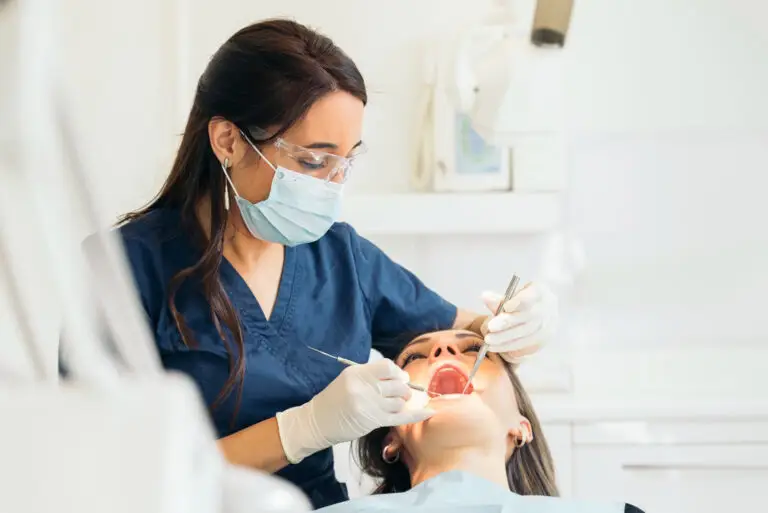
The process starts with a consultation where the dentist evaluates oral health and cosmetic goals. Any underlying issues, like gum disease or cavities, must be treated first. Photos and impressions may be taken at this stage.
Digital Smile Design
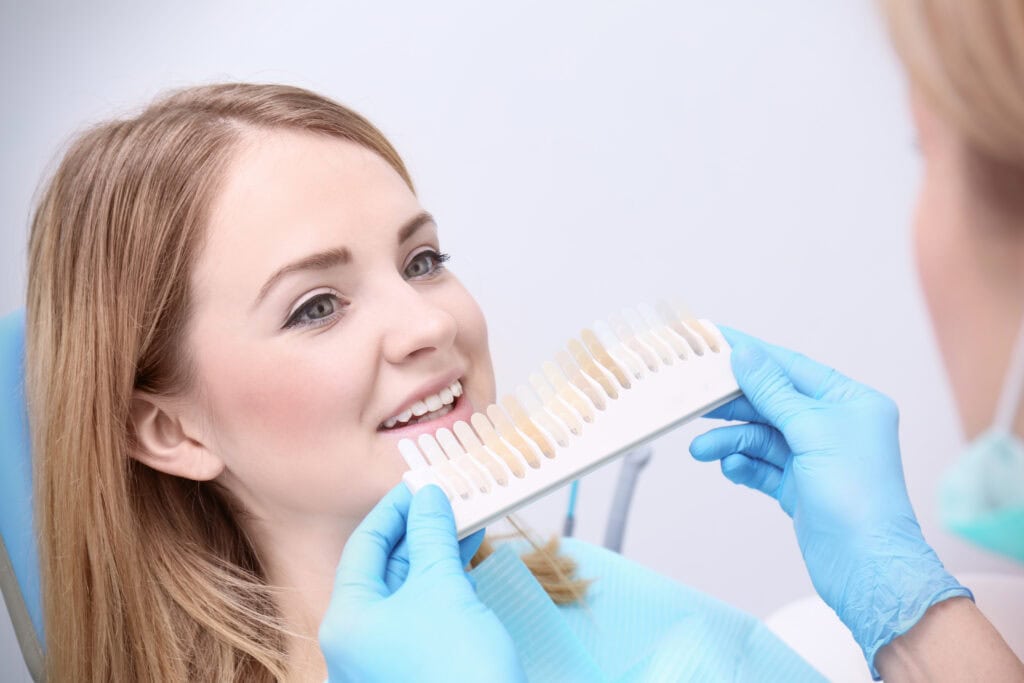
With advanced imaging technology, patients can preview their new smile before committing. This step helps align expectations and ensures the final veneers suit facial features naturally.
Fabrication
The custom veneers are crafted in a dental laboratory based on the impressions and digital designs. Each veneer is shaped and shaded to blend seamlessly with surrounding teeth.
Placement
Once ready, the veneers are bonded to the teeth with a strong adhesive. The dentist checks for bite alignment and makes adjustments as needed. This part of the process is quick, comfortable, and requires no extensive drilling.
Clinical Considerations and Ideal Candidates
Not everyone is a candidate for ultra-thin or no-prep veneers. Patients must have good oral health, sufficient enamel, and realistic expectations. These veneers are best suited for:
- Minor chips or cracks.
- Slight discoloration.
- Small gaps between teeth.
- Uneven edges or minor misalignment.
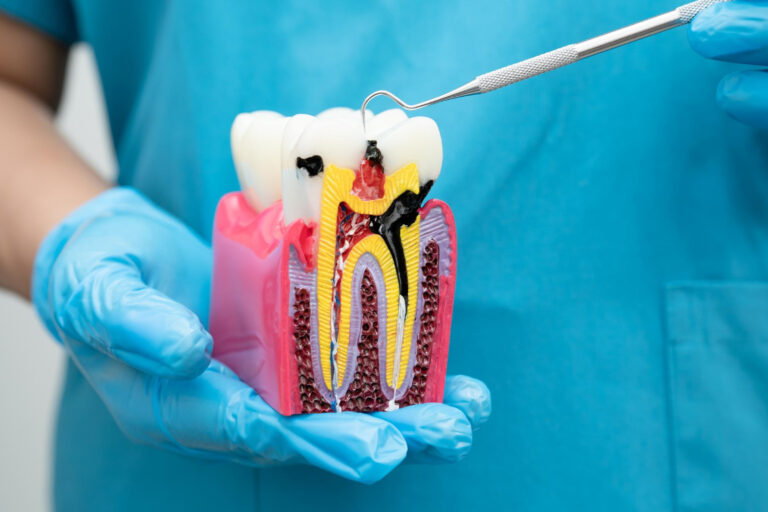
Patients with severe issues, such as extensive decay, major misalignment, or heavily stained teeth, may benefit more from traditional veneers or other restorative options.
“I look for patients who love their teeth but want just a little more polish. If your oral health is solid and you have minor chips, gaps, or stains, ultra-thin veneers can give you a beautiful smile without changing what’s already there.”— Dr. Won S. Kwag, DDS
Advantages of Ultra-Thin and No-Prep Veneers
- Preservation of Natural Teeth:
These veneers require minimal or no enamel removal, allowing your natural teeth to stay strong and healthy. Unlike traditional veneers, they protect the original tooth structure. - Comfortable Procedure:
Because there is little to no drilling or anesthesia involved, the process feels less invasive. This makes it a more comfortable option for patients who may experience dental anxiety. - Quick Results:
Ultra-thin and no-prep veneers can often be placed in just one or two visits, giving patients a faster path to a transformed smile. - Natural Aesthetics:
Designed to replicate the look and translucency of real enamel, these veneers blend seamlessly with natural teeth for a flawless, lifelike appearance. - Less Sensitivity:
Since enamel is preserved, the risk of tooth sensitivity after placement is significantly reduced compared to traditional veneer procedures.
Disadvantages and Limitations
- Durability Concerns
Ultra-thin or no-prep veneers may not be as long-lasting as traditional veneers. While they are designed to be durable, their thinner structure can make them more prone to wear or damage over time, especially if not properly cared for. - Aesthetic Limitations
These veneers are best suited for minor imperfections. In cases of severe discoloration, deep stains, or significant damage, thin veneers may not provide the full coverage or dramatic transformation that traditional veneers can achieve. - Bonding Issues
Since little to no enamel is removed during placement, the bonding surface may be less secure compared to conventional veneers. Such issues can occasionally affect how well the veneers adhere and how long they remain in place. - Possible Bulkiness
Adding thin shells directly on top of natural teeth without reshaping can sometimes result in a slightly bulkier feel. While often unnoticeable, some patients may be more sensitive to the added thickness.
Aftercare Tips for Veneers
Maintaining veneers requires a combination of proper oral hygiene and mindful daily habits. While veneers are durable and designed to last for years, their longevity greatly depends on how well you care for them. By following simple but consistent practices, you can keep your veneers looking beautiful and ensure your natural teeth and gums remain healthy.
- Brush twice daily with non-abrasive toothpaste.
Use a soft-bristle toothbrush and a non-abrasive toothpaste to gently clean your veneers. This prevents scratching the surface while removing food particles and plaque. Consistent brushing keeps your smile bright and fresh. - Floss daily to protect gum health and prevent plaque buildup.
Daily flossing helps clean the spaces between your veneers and natural teeth, reducing the risk of gum disease and cavities. Proper flossing also supports overall oral health. - Avoid biting hard objects such as ice or pens.
Biting on tough items can chip or damage veneers. Treat them with the same care you would give your natural teeth to maintain their structure and appearance. - Limit stain-causing foods and drinks like coffee and red wine.
Although veneers are stain-resistant, frequent exposure to dark beverages or foods can dull their brightness. Moderation and rinsing after consumption help keep them vibrant. - Wear a mouthguard if grinding teeth at night.
If you clench or grind your teeth, a nightguard protects both veneers and natural teeth from pressure and damage. - Visit the dentist regularly for checkups and professional cleanings.
Routine dental visits ensure your veneers stay in excellent condition. Professional cleanings remove buildup that brushing may miss, and your dentist can check for any early issues.
By adopting these habits, you not only extend the life of your veneers but also safeguard your overall dental health, ensuring your smile stays confident for years to come.
“Taking care of your veneers is part of caring for your whole smile. With simple daily habits like gentle brushing, mindful chewing, and regular checkups, you keep your veneers and yourself looking and feeling great.”— Dr. Jonathon Richter
Why Choose Us at North Shore Cosmetic & Implant Dentistry
North Shore Cosmetic and Implant Dentistry believes that cosmetic dentistry is about more than just improving appearances. It is about creating healthy, confident smiles in the most comfortable way possible. Our approach to ultra-thin and no-prep veneers focuses on preserving the natural beauty of your teeth while delivering noticeable, lasting results.
We use advanced technology, personalized treatment planning, and a patient-first philosophy to ensure every smile makeover is personalized to your unique goals. Choosing us means choosing a dental team that values precision, comfort, and your overall satisfaction.
Conclusion
Ultra-thin and no-prep veneers represent a modern approach to cosmetic dentistry that puts patients first. They provide a minimally invasive solution for those who want to transform their smile without compromising their natural teeth. While not suitable for everyone, they are an excellent choice for individuals with minor cosmetic concerns.
By understanding their benefits, limitations, and proper aftercare, patients can make informed decisions about their smile makeover. With the right dental provider, veneers can offer a balance of beauty, comfort, and long-term confidence.
Frequently Asked Questions
1. How long do ultra-thin veneers last?
With proper care, ultra-thin veneers can last between 7 to 15 years. Their longevity depends on oral hygiene, lifestyle habits, and regular dental visits.
2. Do no-prep veneers damage natural teeth?
No-prep veneers require little to no enamel removal, so they preserve most of the natural tooth structure. This makes them a conservative cosmetic option.
3. Are ultra-thin veneers reversible?
In many cases, yes. Since minimal enamel is removed, they can sometimes be reversed. However, this depends on the patient’s specific case.
4. Can I whiten my teeth after getting veneers?
Veneers themselves do not respond to whitening treatments. It is important to choose the shade you want before placement, although natural teeth around them can still be whitened.
5. Are no-prep veneers suitable for everyone?
They are best for patients with minor cosmetic concerns. For severe discoloration, large gaps, or major misalignment, traditional veneers or other treatments may be more effective.