When a baby’s first tooth appears, it often brings both excitement and new responsibility for parents. These tiny teeth may seem temporary, but they hold a lasting influence on a child’s health and well-being.
According to the Centers for Disease Control and Prevention (CDC), more than half of children aged 6 to 8 already have had a cavity in their baby teeth, making tooth decay one of the most common chronic conditions of childhood. This statistic shows just how crucial early dental care is, even for teeth that will eventually fall out. Baby teeth, also called primary teeth, serve important functions beyond their small size. They allow children to chew food properly, speak clearly, and guide permanent teeth into the right position. Neglecting their care can lead to pain, infections, misalignment, and nutritional problems that may extend into adulthood.
Parents sometimes wonder whether baby teeth really matter, since they are temporary. The truth is, they matter a lot. Every baby tooth plays a part in shaping not just a child’s smile but also their overall development.
Key Takeaways
- Baby teeth are vital for chewing, speaking, and holding space for permanent teeth.
- Neglecting baby teeth can lead to decay, pain, misalignment, and nutritional issues.
- Good oral hygiene from infancy sets the foundation for lifelong dental health.
- Regular dental visits help detect problems early and reduce the risk of future complications.
- Educating and guiding children toward healthy habits builds their confidence and well-being.
What Are Baby Teeth?

Baby teeth (also known as primary or deciduous teeth) are the first set of teeth that begin to emerge in a child’s mouth around six months of age. By the age of three, most children will have a complete set of 20 baby teeth. These teeth stay in place until they gradually fall out, usually between ages six and twelve, to make way for permanent teeth.
Although temporary, they are far from insignificant. Baby teeth play a central role in a child’s development and serve as the foundation for healthy adult teeth. Without them, children would struggle with eating, speaking, and proper jaw growth.
The Development of Baby Teeth
The journey of baby teeth begins even before birth. Tooth buds start forming during pregnancy, and after birth, the first visible teeth are usually the lower front teeth. By age three, most children will have a full set of incisors, canines, and molars.
Around age six, these teeth begin to loosen and fall out, making way for permanent teeth. The process usually continues until early adolescence. While it may seem like a natural and simple transition, problems with baby teeth can disrupt the entire process, leading to crooked or crowded adult teeth.
Regular dental checkups during these stages are important to track development and address any concerns early.
Why Baby Teeth Are Important
1. They Help Children Chew and Digest Food Properly
Chewing is the first step in digestion. Without strong and healthy baby teeth, children may avoid harder foods, limiting their diet and affecting their nutrition. Proper chewing allows them to absorb the essential vitamins and minerals needed for healthy growth.
2. They Support Speech Development
Baby teeth help children form sounds and pronounce words clearly. Missing or damaged teeth can cause speech delays or difficulties in articulation. Healthy baby teeth contribute to strong communication skills, which in turn help children build confidence socially.
3. They Maintain Space for Permanent Teeth
Each baby tooth holds a space for the permanent tooth developing beneath it. If a baby tooth falls out too early due to decay or injury, nearby teeth may shift into that space, causing misalignment. This can lead to orthodontic issues in the future that may require braces or other corrective treatments.
4. They Guide Jaw and Facial Growth
Chewing with baby teeth helps the jaw and facial muscles grow properly. The natural pressure created during eating strengthens the jawbone and supports balanced facial development.
5. They Affect Emotional and Social Well-being
Children with visibly decayed or missing teeth may feel self-conscious about their smile. Dental issues can affect their confidence, making them hesitant to smile, speak, or interact with peers. Taking care of baby teeth supports both physical and emotional health.
Common Problems with Baby Teeth
Tooth Decay
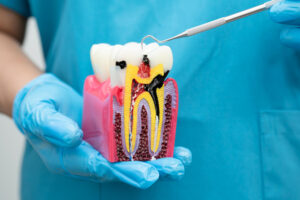
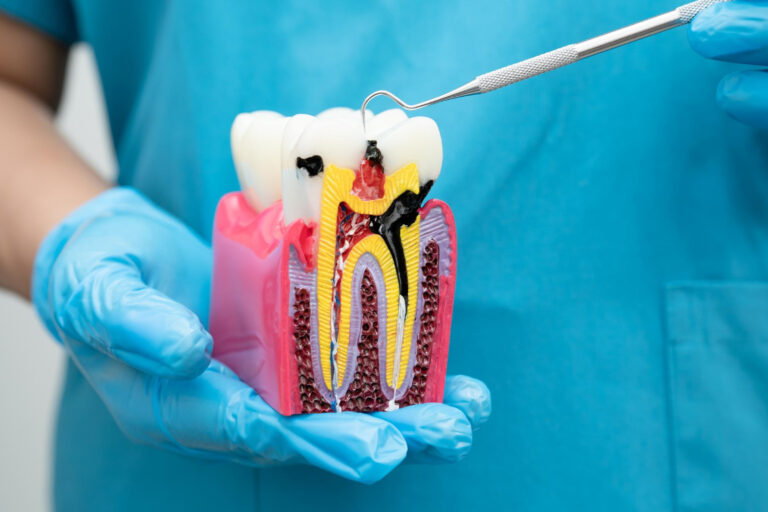
Tooth decay is the most common dental issue among children. The CDC reports that untreated cavities can cause pain, infections, and even problems with eating, sleeping, and learning. Left untreated, decay in baby teeth can spread to permanent teeth as they erupt.
Sensitivity and Pain
Cavities often lead to tooth sensitivity, causing discomfort when eating or drinking hot, cold, or sweet foods. Pain can also disturb sleep and impact daily activities.
Misalignment
Losing a baby tooth too soon can cause permanent teeth to erupt improperly. This can result in crowding, crooked teeth, or bite issues that may require orthodontic care later.
Gum Problems
Unhealthy baby teeth can contribute to gum disease. Inflamed gums not only affect the baby teeth but can also compromise the health of permanent teeth waiting to come in.
Caring for Baby Teeth
Establishing a Dental Hygiene Routine
Dental care should start before the first tooth erupts. Parents can gently wipe a baby’s gums with a soft cloth after feeding. Once teeth appear, brushing twice a day with a soft-bristled toothbrush and a small amount of fluoride toothpaste is recommended. Flossing should begin once two teeth touch.
Diet and Nutrition
Limiting sugary snacks and drinks is essential for preventing cavities. Encourage children to eat a balanced diet rich in fruits, vegetables, whole grains, and dairy. Plain water, especially fluoridated water, is one of the best choices for oral health.
Regular Dental Checkups
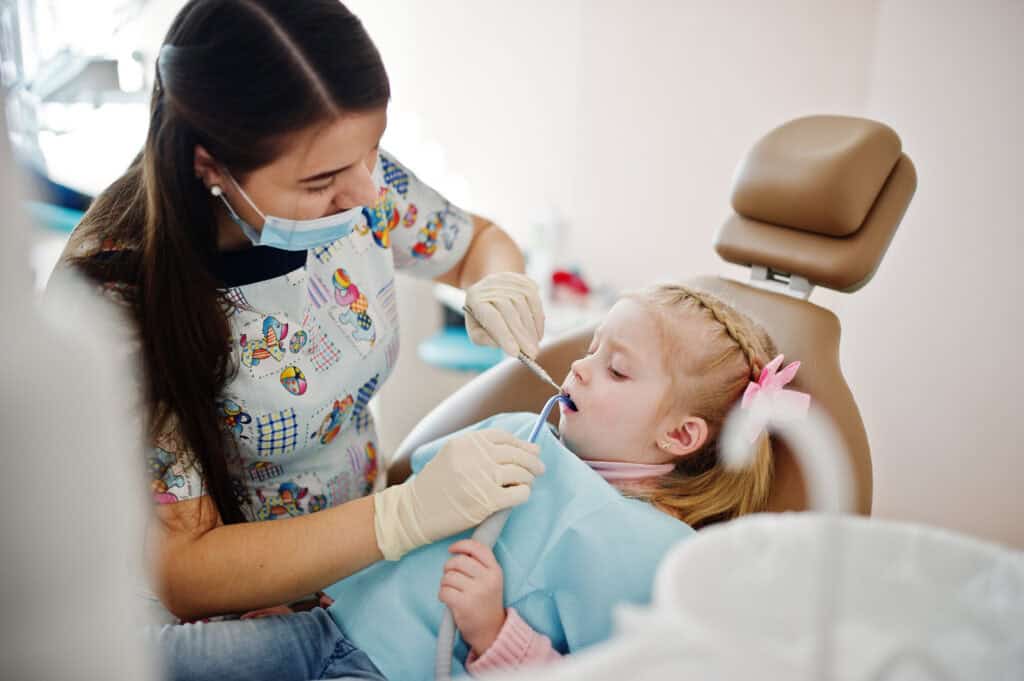
The American Academy of Pediatric Dentistry recommends a child’s first dental visit by age one. These visits help dentists monitor tooth development, apply preventive treatments like fluoride varnish, and educate parents on proper care techniques.
Managing Teething Discomfort
When teeth are erupting, babies may experience fussiness or sore gums. Parents can comfort them by gently massaging their gums with a clean finger or offering a firm rubber teether. Cold spoons or damp cloths can also provide relief.
“As a pediatric dentist, I believe in listening closely to both parents and children. If your child is experiencing discomfort, whether it’s pain, sensitivity, or changes in their eating habits, it’s important to seek professional care promptly. Early intervention can make a significant difference in their dental health.” — Dr. Won S. Kwag, DDS
Preventive Care and Parental Guidance
Parental involvement is crucial for establishing lasting oral health habits. Encouraging children to brush regularly, modeling good dental hygiene, and making dental visits a positive experience can all contribute to better oral health outcomes.
It is also important for parents to seek reliable information from dental professionals rather than relying solely on peer advice, which may sometimes spread myths or misinformation. Professional guidance ensures that parents make informed choices for their child’s dental health.
Why Choose NorthShore Cosmetic and Implant Dentistry
The North Shore Cosmetic and Implant Dentistry team is committed to helping families build a strong foundation for their children’s dental health. Our pediatric dental care focuses on prevention, education, and comfort, ensuring that every visit is a positive experience. We provide gentle, child-friendly treatments, along with guidance for parents on establishing healthy routines at home. By choosing us, you are not only protecting your child’s baby teeth but also investing in their lifelong oral health.
Key Takeaways: Caring for Your Child’s Baby Teeth
Baby teeth may be small, but their role in a child’s development is enormous. They support proper chewing, speech, nutrition, and alignment for permanent teeth. Neglecting them can lead to lasting problems that extend well into adulthood. Parents who begin early with dental hygiene, regular checkups, and preventive care set their children on a path to healthier, more confident smiles.
Taking care of baby teeth is not just about the present. It is about ensuring a lifetime of good health, comfort, and confidence for your child.
Frequently Asked Questions
1. Why should I care about baby teeth if they fall out anyway?
Baby teeth hold space for permanent teeth, help children chew and speak properly, and influence jaw development. Losing them too early can cause long-term dental issues.
2. When should my child have their first dental visit?
The American Academy of Pediatric Dentistry recommends scheduling the first visit by age one or within six months of the first tooth erupting.
3. How can I prevent cavities in my child’s baby teeth?
Encourage brushing twice daily with fluoride toothpaste, flossing once teeth touch, limiting sugary snacks and drinks, and scheduling regular dental checkups.
4. What should I do if my child loses a baby tooth too early?
Contact your dentist right away. They may recommend a space maintainer to prevent nearby teeth from shifting into the gap.
5. Are fluoride treatments safe for young children?
Yes. Fluoride treatments are safe and effective when applied by dental professionals. They strengthen enamel and help protect against cavities.