Clear aligner treatment has changed how people in Great Neck think about straightening their teeth. Invisalign uses a series of clear, removable trays that shift teeth gradually, giving adults and teens an alternative to traditional metal braces. If you are researching options for a more discreet smile improvement, Invisalign in Great Neck, NY is offered by several local dental and orthodontic offices.
Having choices is useful, but it also means comparing providers, understanding treatment steps, and preparing for the financial side of care. This page walks through what makes Invisalign different, who offers it in Great Neck, and how to get started with confidence.
What Is Invisalign?
Invisalign is a popular orthodontic treatment that straightens teeth with clear aligners instead of brackets and wires. Each aligner is designed to fit snugly over the teeth, and patients switch to the next aligner in the series as their teeth gradually move into better positions. Because the trays are clear, they are much less noticeable than metal braces, which appeals to people who want to improve their smile without drawing attention to the process.
Invisalign is often described as clear aligner therapy because the treatment relies on a planned sequence of custom trays. Your dental team monitors progress at checkups and adjusts the plan as needed to keep your smile moving in the right direction.
Why Great Neck Patients Choose Invisalign
People choose clear aligners for many reasons, and the right option depends on your lifestyle and smile goals. Invisalign offers benefits that appeal to patients who want to avoid the visible hardware of braces.
- A discreet look: clear trays are far less noticeable than metal brackets.
- Removable trays: aligners can be taken out for meals and for brushing and flossing.
- Comfort: smooth plastic trays are gentler on cheeks and gums than wires.
- Convenient care: fewer food restrictions and simpler daily oral hygiene.
Invisalign is not the right answer for everyone. An exam at a qualified dental or orthodontic office is the only way to know whether clear aligner treatment will achieve the result you want.
Choosing an Invisalign Provider in Great Neck, NY
Choosing the right Invisalign provider is important for achieving your smile goals. Look for a practice that offers:
- Personalized treatment planning
- Digital imaging and modern technology
- Regular progress checkups
- Clear communication about treatment and costs
North Shore Cosmetic and Implant Dentistry provides Invisalign in Great Neck with personalized planning, 3D imaging, and follow-up visits to monitor your progress. A consultation can help determine whether Invisalign is right for you.
What to Expect at an Invisalign Exam
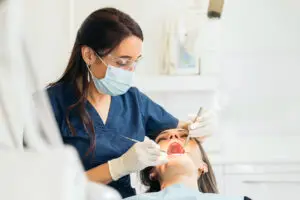
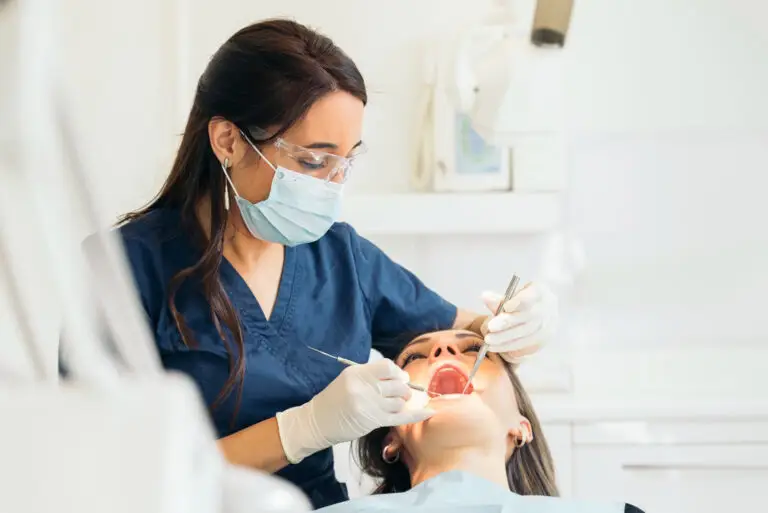
The first step for anyone interested in Invisalign is scheduling an exam. During this visit, a dentist or orthodontist will review your teeth, bite, and smile goals before recommending a course of treatment. This is also the time to ask questions about how long your treatment might take, how often you will need checkups, and what the total fee includes.
Because Invisalign treatment is built around your specific case, no two plans are the same. The examination helps the provider decide whether clear aligners will address your alignment concerns or whether another approach, such as braces, would be a better fit. Being honest about your expectations during this appointment gives the dental team the information they need to recommend the best path forward.
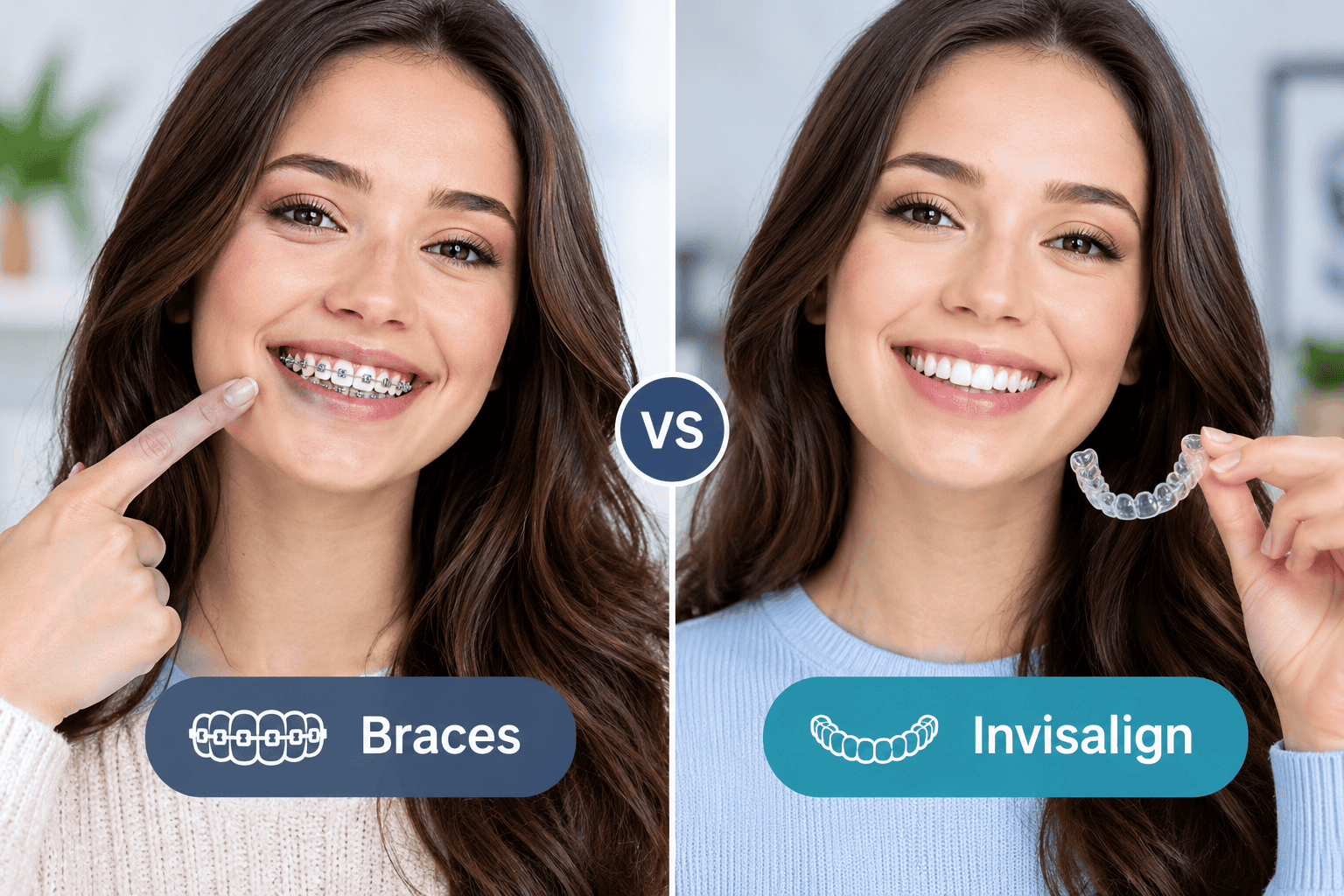
Braces or Invisalign: Which Is Right for You?
Some patients assume Invisalign is the only discreet orthodontic option, but the choice between braces and clear aligners depends on the complexity of the case. Great Neck Orthodontics, for example, offers expert orthodontic care with both braces and Invisalign for all ages. A practice that provides both options can give you an honest comparison during your consultation.
During an appointment, be ready to talk about what bothers you most about your smile. Crowded teeth, gaps, bite problems, and minor rotations all respond differently to treatment, and your provider can explain which system is most likely to deliver the outcome you want.
How Much Does Invisalign Cost in Great Neck?
Cost is one of the first questions patients ask about Invisalign in Great Neck. The price of clear aligner treatment can vary from one office to the next, and the complexity of your case plays a major role in the final estimate.
Before committing to treatment, ask the office what is included in the treatment plan, whether payment options are available, and what your insurance covers. The more you know upfront, the fewer surprises you will face later.
Who Can Benefit From Invisalign
Invisalign can be a strong option for many people, but candidacy is decided during the exam. Teens and adults are both treated with clear aligners in Great Neck, and at least one local orthodontic practice provides braces and Invisalign for patients of all ages. The system works best when the patient is committed to wearing the aligners as directed and keeping up with scheduled visits.
If you are thinking about combining orthodontic treatment with other cosmetic work, look for a dental practice that offers a range of services. That way, your Invisalign plan can be coordinated with veneers, whitening, or other smile enhancements if needed.
Whatever your reason for exploring Invisalign in Great Neck, starting with a conversation at a trusted office is the best move. North Shore Cosmetic and Implant Dentistry welcomes patients who are curious about clear aligners and can explain how Invisalign fits into a complete cosmetic treatment plan.
Frequently Asked Questions
Here are answers to some of the most common questions patients ask about Invisalign in Great Neck.
How do I get started with Invisalign in Great Neck, NY?
The first step is to schedule an Invisalign consultation with a qualified dental provider. During the visit, your teeth, bite, and overall oral health can be evaluated to determine whether clear aligners are appropriate for your smile goals. Your provider can also explain the treatment process and what you can expect throughout your Invisalign journey.
Is Invisalign only for adults?
No. Invisalign may be an option for both teens and adults, depending on their dental needs and the type of correction required. A professional evaluation is important because not every alignment or bite concern can be treated in the same way.
How long does Invisalign treatment take?
Treatment time varies from patient to patient. The complexity of your case, the amount of tooth movement needed, and how consistently you wear your aligners can all affect the overall timeline. During your consultation, your provider can give you a more personalized estimate based on your treatment plan.
Where can I get Invisalign in Great Neck, NY?
If you are looking for Invisalign in Great Neck, NY, start by choosing a dental provider who offers personalized treatment planning, modern imaging technology, and regular progress monitoring. North Shore Cosmetic and Implant Dentistry provides Invisalign treatment and can evaluate your smile to determine whether clear aligners are a suitable option for you.
Get Started With Invisalign in Great Neck, NY
Invisalign offers a discreet, comfortable way to improve tooth alignment without traditional metal braces. Because every smile is different, a professional evaluation is essential for creating the right treatment plan. If you are considering Invisalign in Great Neck, NY, North Shore Cosmetic and Implant Dentistry can assess your smile, discuss your goals, and explain what clear aligner treatment may involve. Ready to begin? Contact our office today to schedule your Invisalign consultation. Our experienced team will answer your questions and help you move toward a straighter, healthier, more confident smile.
Caring for your aligners day to day
Aligners work when they are in your mouth, so wear them at all times except when eating or drinking.
- Rinse them with lukewarm water every time you take them out.
- Clean them daily with a soft-bristled toothbrush and clear, mild soap rather than toothpaste.
- Brush and floss before putting them back in.
- Keep them in a case when they are out of your mouth.
If a tray cracks, goes missing, or stops fitting well, call the office rather than skipping ahead to the next one in the series.