Missing teeth can affect your confidence, your smile, and your oral health. For many people in Great Neck, dental implants offer a dependable way to replace missing teeth, restore chewing function, and improve the look of the smile with stable, natural results. The procedure may sound involved, but it follows a clear sequence of steps. Understanding each phase can help you feel more prepared before you begin.
This step-by-step overview explains how the dental implant procedure works in Great Neck, from the initial placement to the final restoration. If you are missing a single tooth or need a complete set of replacement teeth, knowing what happens at each stage makes the process feel more predictable and less intimidating.
What Is a Dental Implant?
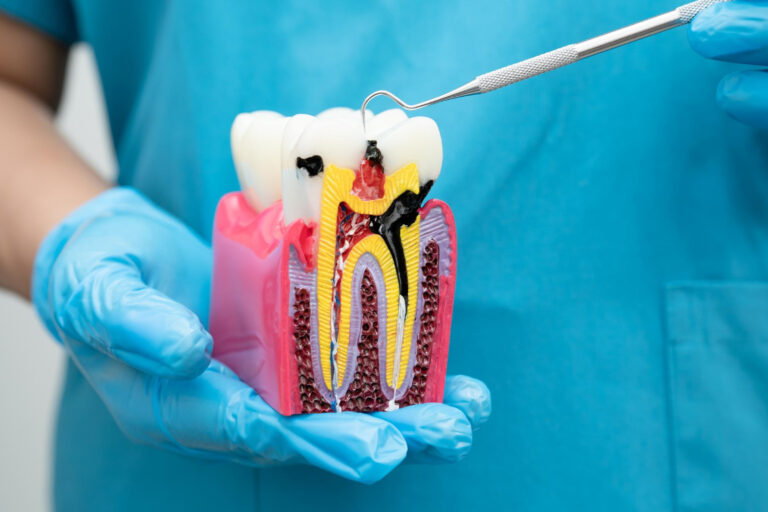
A dental implant works as a replacement for a natural tooth root. The first part of the process is to install the implant itself. During this step, a screw is placed into the jaw bone, and an incision is made in the gum so the implant can be positioned correctly. Once the implant is secure, it serves as a foundation for a replacement tooth that looks and functions like a natural one.
Dental implants do more than fill a gap in your smile. They also support jawbone health. When a tooth is lost, the bone in that area no longer receives the same stimulation, which can lead to bone loss over time. Because an implant is anchored directly into the jaw, it helps preserve the bone and keeps the surrounding structures stable.
Patients choose implants for many reasons. The goal is a permanent solution that does not rely on neighboring teeth. The finished result feels secure, chews normally, and looks natural.
The Dental Implant Procedure at a Glance
Here is a quick summary of the four main phases of the dental implant procedure:
- Consultation and treatment planning to assess your oral health and goals.
- Surgical placement of the implant screw into the jaw bone.
- A healing period of three to six months while the implant integrates with the bone.
- Attachment of the final restoration, such as a crown or bridge, once healing is complete.
Step 1: Consultation and Treatment Planning
Every dental implant procedure begins with a consultation. During this visit, your dentist examines your smile, reviews your oral health, and discusses your treatment goals. This planning phase helps determine whether implants are the right choice and what the overall timeline will look like.
In Great Neck, some dental practices provide both the surgical placement and the restoration phases of implant treatment in one office. Coordinated care means you can have the implant placed and the final tooth attached without being referred to multiple locations. This approach simplifies scheduling and keeps the whole treatment plan in one place.

Step 2: Surgical Placement of the Implant
The surgical placement of the implant is the first major step in the procedure. Your dentist makes an incision in the gum so the jaw bone is accessible. A screw is then placed into the jaw bone to serve as the implant fixture. This screw becomes the strong foundation that will eventually hold your replacement tooth.
The length of this appointment depends on how many implants are being placed. One implant generally takes 30 to 60 minutes to place. Multiple implants usually take about 2 to 3 hours. Your dentist will provide a more specific estimate based on your individual treatment plan.
Step 3: Healing and Integration
After the implant is placed, the healing phase begins. For the first three to six months following surgery, the implants remain beneath the surface of the gums. During this period, the implant gradually integrates with the jaw bone, creating a strong and stable foundation for the final restoration.
This waiting period is critical to the long-term success of the implant. It allows the bone to bond with the implant so that the replacement tooth has a durable anchor. Your dentist will monitor your healing and let you know when your mouth is ready for the next phase. Rushing this step can compromise the final result.
Step 4: Attaching the Final Restoration
Once healing is complete, the final restoration is attached to the implant. Depending on your needs, this could be a single crown, a bridge, or another type of prosthetic tooth. For patients replacing a full arch of teeth, multiple implants can support a complete set of artificial teeth.
The final restoration is designed to blend in with your natural smile. Because the implant is anchored in the jaw bone, the finished tooth stays firmly in place. This allows you to chew with confidence, speak without worry, and enjoy a stable, natural-looking smile.
Immediate Implants and All-on-4 Options
Not every dental implant procedure follows the same timeline. Some patients may be candidates for immediate dental implants, which are placed directly after tooth extraction. This approach is usually recommended for patients following an accident, because the implant can be surgically loaded into the jaw immediately after the natural tooth root has been removed. Immediate implants may reduce the number of appointments and shorten the overall treatment period.
Another option is the All-on-4 technique. This approach uses four strategically positioned implants in the jawbone to support a full arch of artificial teeth. All-on-4 can be a good fit for patients who have lost most or all of their teeth and want a complete smile without needing an individual implant for every tooth.
Your dentist can explain which approach fits your situation. The condition of your jaw bone, the number of missing teeth, and your overall oral health all play a role in the recommendation.

What to Expect During Recovery
Recovery after implant placement varies from person to person. Some swelling and tenderness are common in the days after surgery. Your dentist will provide specific instructions on caring for the area while it heals. Following those instructions is one of the most important things you can do to protect the implant and support healthy integration.
During the healing period, the implant stays beneath the gum surface, so the final tooth will not be visible right away. This is a normal part of the process. The time spent waiting allows the implant to become firmly anchored in the jaw bone, which is what makes the finished restoration strong and long-lasting.
Choosing an Implant Dentist in Great Neck
The success of a dental implant procedure depends heavily on the skill of the dentist performing it. In Great Neck, patients have access to practices that focus on precise implant placement and complete restorations. A good provider takes the time to explain the procedure, answer your questions, and keep you comfortable at every stage.
Patient-centered care matters, especially for people who feel anxious about dental work. North Shore Cosmetic and Implant Dentistry in Great Neck emphasizes gentle, pain-free treatment and clear communication throughout the implant process. The practice also offers restorative treatments such as crowns and bridges, so your implant care can be coordinated with other dental needs. If you are exploring dental implants in Great Neck, look for a team that combines technical expertise with a reassuring, supportive approach.
Frequently Asked Questions
How long does the dental implant procedure take?
Placing a single dental implant typically takes 30 to 60 minutes. If you are having multiple implants placed, the appointment may take 2 to 3 hours. Keep in mind that the full treatment process includes healing time, so the complete journey from placement to final restoration spans several months.
How long does healing take after implant placement?
For the first three to six months following surgery, the implant remains beneath the surface of the gums while it gradually integrates with the jaw bone. Your dentist will monitor the healing process and determine when the area is ready for the final restoration. Patience during this phase helps ensure a strong result.
What are immediate dental implants?
Immediate dental implants are placed directly after tooth extraction. This approach is usually recommended for patients following an accident, because the implant can be inserted into the jaw as soon as the natural tooth root is removed. This may reduce the number of appointments and shorten the overall treatment timeline.
What is the All-on-4 technique?
All-on-4 uses four strategically positioned implants in the jawbone to support a full arch of artificial teeth. It is designed for patients who need to replace a complete set of teeth and want a stable, natural-looking solution without an individual implant for every tooth.
Conclusion
A dental implant procedure involves several carefully planned stages, from the initial consultation and implant placement to healing and the final restoration. Although the process can take several months, each step is important for achieving a stable, functional, and natural-looking result. If you are considering dental implants in Great Neck, the best way to understand your options is to speak with an experienced implant dentist. Contact North Shore Cosmetic and Implant Dentistry today to discuss your dental implant needs, explore your treatment options, and take the first step toward restoring your smile and confidence.