A smile is one of the first things people notice, and it is also one of the few features you can actually change. Great Neck has a dense concentration of dental offices, and most of them list cosmetic services alongside general and family care. That means patients here have real choices, but also real questions about which treatment does what, how long it takes, and how to compare one office against another without getting lost in marketing language.
This guide walks through the cosmetic dental treatments most commonly offered in Great Neck, explains what each one is designed to fix, and outlines how to plan a result that still looks like you. It also covers the practical side: consultations, comfort options, and how to keep your results looking sharp after treatment ends.
What Counts as Cosmetic Dentistry in Great Neck
Cosmetic dentistry is any treatment whose main goal is improving how teeth look, though many procedures also improve function. Local practices describe their cosmetic offerings in fairly consistent terms. Veneers and laminates, professional teeth whitening, Invisalign clear aligners, dental bonding, and implants show up again and again in Great Neck dental listings, usually next to general services like exams and cleanings.
At North Shore Cosmetic and Implant Dentistry, cosmetic care covers veneers, teeth whitening, Invisalign, and gap closure, supported by restorative work such as crowns, bridges, fillings, root canals, and dental implants. The practice also offers holistic dentistry services, including mercury amalgam removal, along with pediatric and periodontal care.
The overlap matters. A whitening treatment will not fix a chipped tooth, and a veneer will not correct crowding. Most smile improvements combine two or three procedures, which is why a proper exam comes before any recommendation.
Porcelain Veneers: Reshaping the Front of the Smile
Veneers are thin shells bonded to the front surface of teeth. They are the treatment people usually picture when they imagine a dramatic smile change, because they can alter color, shape, size, and the appearance of alignment at the same time. Great Neck offices frequently list veneers and laminates as a headline cosmetic service, and for good reason: a single well-planned set of veneers can address several complaints at once.
Veneers work best for teeth that are structurally sound but visually uneven. Chipped edges, stubborn discoloration that whitening does not reach, small gaps, and teeth that look short or slightly rotated are typical candidates. The process involves planning the shape and shade, preparing the teeth, and fitting the final restorations.
Because veneers are permanent once the enamel is prepared, the consultation is where the real decisions happen. Ask to see how the proposed shape and shade will look before anything is finalized. A dentist who spends time on that preview is usually a dentist who cares about the outcome, not just the procedure.
Professional Teeth Whitening
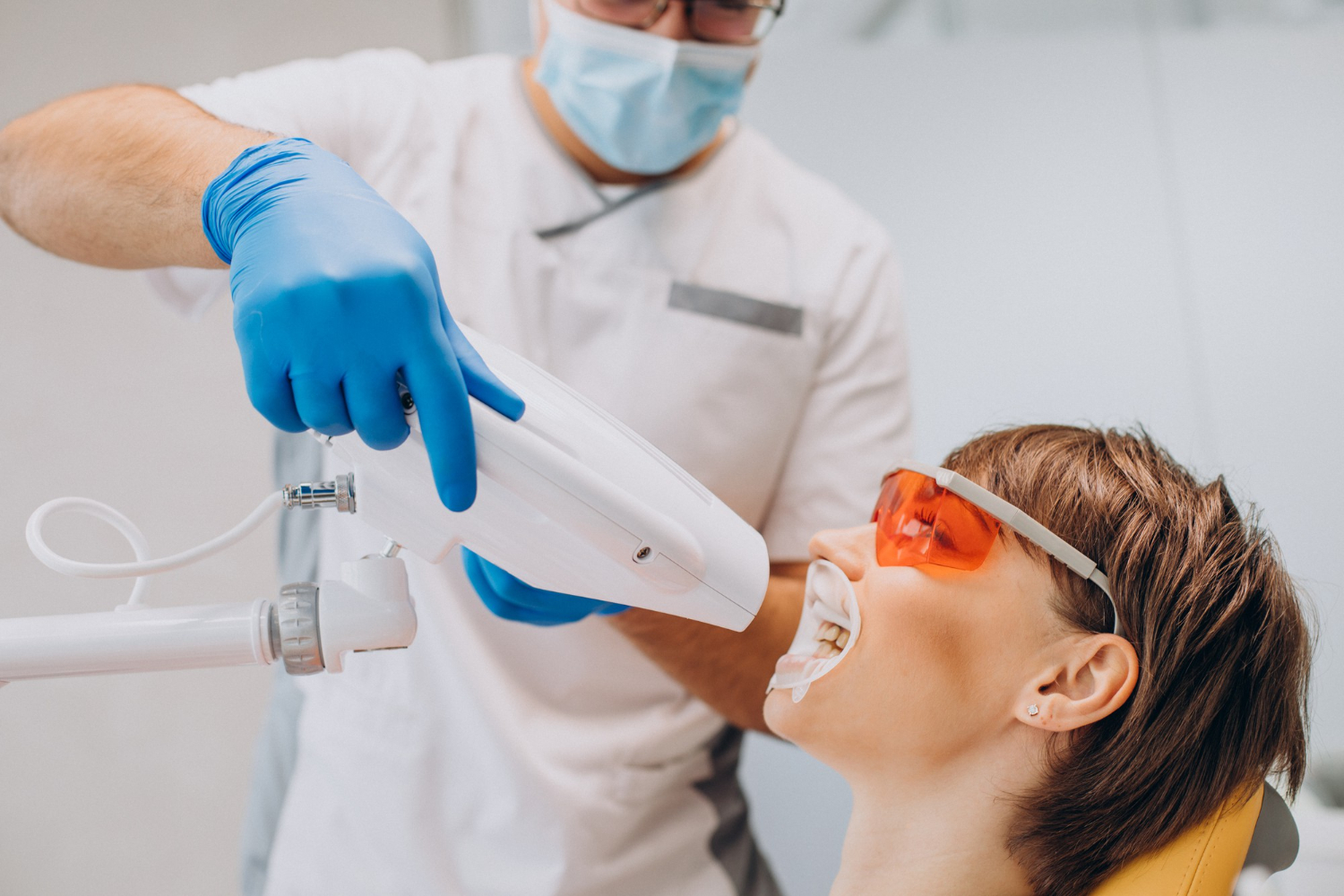
Whitening is the least invasive cosmetic treatment on this list, and it is widely available in the Great Neck area, including take-home tray options and in-office sessions. It targets staining from coffee, tea, wine, and everyday wear, brightening the overall shade of the teeth without changing their shape.
The main difference between store-bought products and professional whitening is control. A dentist can assess the cause of discoloration, decide whether whitening is the right answer at all, and manage sensitivity along the way. Gray or internally discolored teeth often respond poorly to whitening, and in those cases veneers or bonding may deliver a better result.
Sensitivity during and after whitening is common and usually settles. If you have a history of sensitive teeth, mention it before treatment starts so the approach can be adjusted.
Invisalign and Clear Aligner Therapy
Clear aligners straighten teeth using a series of removable trays instead of fixed brackets and wires. Great Neck practices list Invisalign among their cosmetic services, and it is often the preferred route for adults who want straighter teeth without a visible appliance.
Aligners handle crowding, spacing, and mild bite corrections well, and they are removable, which makes eating and cleaning simpler than with braces. The tradeoff is discipline. Trays need to be worn consistently to move teeth on schedule, and results depend heavily on the patient keeping them in.
Invisalign is also a common first step before other cosmetic work. Straightening the teeth can reduce how much veneer or bonding coverage is needed later, which sometimes makes the overall plan simpler and more conservative.
Dental Bonding and Gap Closure
Bonding uses tooth-colored composite resin to repair small chips, close minor spaces, and reshape uneven edges. It is one of the fastest cosmetic options available and is frequently listed as a standalone service by Great Neck dentists.
Gap closure is a related goal. Depending on the cause of the space, a dentist may recommend bonding, aligners, or veneers. Small gaps between the front teeth are often treated with bonding or a short aligner series, while larger spacing or a bite issue may point toward orthodontics.
Bonding is less durable than porcelain and can stain over time, especially with heavy coffee or tobacco use. It is also easier to repair, which makes it a useful option for patients who want a quick improvement without committing to a permanent restoration.
Implants, Crowns, Bridges, and Other Restorative Work
Cosmetic results depend on a healthy foundation. Missing teeth, cracked fillings, and damaged roots all affect how the rest of the smile looks, so restorative treatment often runs alongside cosmetic work rather than after it.
Dental implants replace missing teeth with a root-like post and a crown on top. They appear frequently in Great Neck dental offerings and are usually described as a long-term solution for teeth lost to decay, injury, or gum disease. Implants also prevent the neighboring teeth from drifting into the empty space, which protects the alignment you may be working to improve.
Crowns restore teeth that are too damaged for a filling, and bridges replace one or more missing teeth by anchoring to adjacent ones. Tooth-colored fillings repair decay without the metal look of older restorations. Root canal therapy removes infected tissue from inside a tooth and saves it from extraction, which matters if the goal is keeping your natural smile intact.
| Treatment | Primary goal | Typical cosmetic role |
|---|---|---|
| Veneers and laminates | Reshape and recolor front teeth | Full smile redesign |
| Teeth whitening | Lighten existing shade | Quick, non-invasive improvement |
| Invisalign | Straighten teeth | Alignment before or instead of veneers |
| Dental bonding | Repair chips and small gaps | Fast touch-up work |
| Implants and crowns | Replace or restore damaged teeth | Rebuilding the foundation |
TMJ Discomfort and Comfort-Focused Care
Jaw pain, clicking, and morning headaches are common complaints that cosmetic patients bring up during exams. Several Great Neck practices list TMJ treatment alongside their general and cosmetic services, since a comfortable bite affects how restorations wear and how long they last.
Comfort also shapes how treatment is delivered. Sedation dentistry appears in local service listings, including sedation options for patients who avoid the dentist out of anxiety. If fear has kept you from starting cosmetic work, that is worth mentioning at the first visit rather than enduring a procedure you dread.
Holistic Dentistry Options
For health-conscious patients, some practices offer holistic approaches, including mercury amalgam removal. This is a more specialized service and not every office provides it, so patients seeking it should confirm availability directly with the practice before scheduling.
Holistic care typically complements, rather than replaces, standard treatments like cleanings, fillings, and crowns. The practical approach is to ask what specific protocols the office follows and how they handle materials and removal procedures.

How to Choose a Cosmetic Dentist in Great Neck
Because Great Neck has so many dental offices, narrowing the list comes down to a few practical checks.
- Look at the services listed. If veneers, whitening, aligners, and implants all appear, the practice is set up for cosmetic planning rather than occasional single treatments.
- Confirm the practice accepts new patients, since several local offices advertise open availability and others may not.
- Ask who performs the work and what training or experience they have with the specific procedure you want.
- Request a written treatment plan with the recommended sequence and an itemized estimate before committing.
- Pay attention to how thoroughly the dentist examines your bite and gums, not just the teeth you want to change.
- Ask about comfort options, including sedation, if anxiety has been a barrier.
Reviews and before-and-after photos help, but they cannot replace a live assessment. A dentist who explains the tradeoffs between options, including the option to do less, is usually the better long-term choice.
What Happens at a Cosmetic Consultation
A first cosmetic visit generally covers a full exam, a conversation about your goals, and a look at what is realistic. Bring photos of smiles you like, and be specific about what bothers you. Statements like “my front teeth look uneven” lead to a different plan than “I want everything whiter.”
Expect the dentist to check gums, bite, existing restorations, and any decay before discussing cosmetics. Treating active problems first is standard practice, and skipping that step tends to shorten the life of cosmetic work. You should leave the appointment with a clear sense of the recommended sequence, the alternatives, and what it will cost.
Costs vary by procedure, materials, and complexity, so it is worth asking for a written estimate and checking whether your dental insurance contributes to any portion. Many practices also offer payment options, which is a question for the front desk rather than a general assumption.
Making Your Smile Results Last
Cosmetic work holds up best when the basics stay consistent. Regular exams and cleanings, daily brushing and flossing, and managing habits like grinding all protect the investment. A night guard is a common recommendation for patients who clench, since pressure can chip bonding and stress veneers.
Professional whitening may need occasional touch-ups, and bonding can be polished or repaired as it ages. If something chips or feels off, call the office rather than waiting for a scheduled visit. Small problems are cheaper and simpler to fix early.
Frequently Asked Questions
How long do porcelain veneers last?
Lifespan depends on material quality, bite forces, grinding habits, and daily care, so there is no single number that applies to everyone. Veneers are a long-term investment rather than a permanent one, and most patients eventually need repair or replacement. Your dentist can give you realistic expectations based on your specific teeth and habits during the consultation.
Is teeth whitening safe for sensitive teeth?
Whitening can cause temporary sensitivity, and that is common rather than a sign something went wrong. A dentist can adjust the concentration, shorten contact time, or recommend a take-home approach that lets you control the pace. Mention sensitivity before treatment begins so the plan can be tailored to you instead of applied generically.
Can Invisalign close a gap between my front teeth?
Aligner therapy can close many gaps by moving teeth into better positions, and small spaces often respond well. Larger gaps, or ones caused by tooth size rather than position, may be handled more effectively with bonding or veneers. A dentist can examine the space and tell you which approach fits your case.