A tooth that can be saved is usually worth saving. That is where most dentists begin, and it is the right starting point. There are still situations where leaving a damaged or infected tooth in place causes more harm than good. In those cases, removal protects the neighboring teeth, the gums, and often a patient’s overall health. Patients weighing tooth extraction in Great Neck tend to arrive at the same handful of questions, and the answers usually come down to how much healthy structure is left and what the tooth is doing to everything around it.
Why a Dentist May Recommend Removing a Tooth
Extraction is rarely a first choice. It becomes the recommended path when a tooth cannot be repaired, cannot be cleaned, or is actively damaging the bone and gum tissue around it. Dentists also consider the patient’s comfort, bite, and long term plans for the mouth before making the call.
Severe Decay or Deep Infection
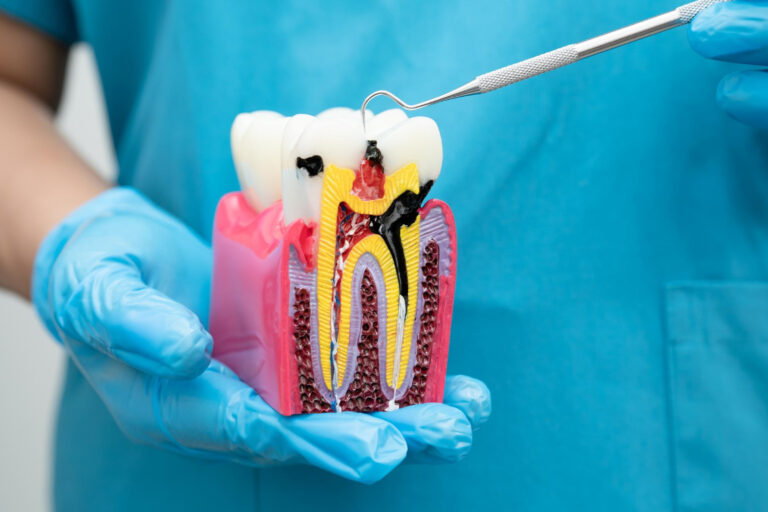
When decay reaches far enough into a tooth, there may not be enough solid structure left for a filling, crown, or root canal to hold onto. An infection that has spread into the pulp or into the bone around the root can also become difficult to control. In these situations, removing the tooth can stop the infection from spreading further and allow the area to heal.
A Cracked or Fractured Tooth
Cracks that extend below the gumline are a common reason for removal. A vertical fracture through the root cannot be repaired, and the tooth often becomes painful when biting. Smaller chips and cracks are frequently restorable with a crown or bonding, so the location and depth of the fracture matter more than the fact that one exists.
Advanced Gum Disease
Periodontal disease destroys the bone and ligaments that hold teeth in place. As support is lost, a tooth can become loose, shift, or develop deep pockets that are impossible to keep clean. When mobility is significant, extraction may be the more predictable option, especially if the tooth is already causing discomfort while chewing.
Impacted Wisdom Teeth
Wisdom teeth are the most frequently removed teeth. When there is not enough room for them to erupt normally, they can grow sideways, stay trapped under the gum, or push against the molars in front of them. Impacted wisdom teeth are also hard to clean, which raises the risk of decay and gum inflammation in an area that is awkward to reach.
Crowding Before Orthodontic Treatment
Some orthodontic plans call for removing one or more teeth to create space so the remaining teeth can be aligned properly. This is a planned decision made with the bite and jaw size in mind, not a response to disease. It is usually discussed alongside the aligner or braces plan rather than as a stand alone procedure.
When Saving the Tooth Is Still the Better Call
A dentist who recommends extraction should also be able to explain why repair will not work. Before agreeing to removal, it is reasonable to ask about alternatives and what each one involves.
- Root canal therapy can save a tooth whose pulp is infected but whose roots and surrounding bone are still sound.
- A crown can protect a tooth that is heavily worn, cracked, or weakened after a large filling.
- A filling or bonding may be enough when damage is limited to the surface of the tooth.
- Periodontal treatment can sometimes stabilize a loose tooth if bone loss has not gone too far.
If a dentist says a tooth cannot be saved, it is fair to ask what is happening to the bone around it. Bone loss that continues after an extraction can affect the options available later, which is one reason replacement planning often starts before the tooth comes out.
Simple Versus Surgical Extractions
Extractions fall into two broad categories. The category depends on how the tooth sits in the jaw, not on how nervous a patient feels about the appointment.
| Factor | Simple extraction | Surgical extraction |
|---|---|---|
| Typical situation | Tooth is visible above the gumline and has an intact crown | Tooth is broken below the gumline, impacted, or has curved roots |
| Approach | Tooth is loosened and lifted out | Small incision in the gum, sometimes with the tooth sectioned into pieces |
| Anesthesia | Local anesthetic in most cases | Local anesthetic, with other options discussed in advance |
| Appointment length | Often shorter | Often longer, and may need more healing time |
Wisdom teeth are the classic example of a surgical removal, which is why many practices treat them as an oral surgery procedure rather than a routine one.
What Happens During the Procedure
The steps are straightforward, and knowing them in advance removes a lot of the guesswork that makes people anxious.
- The dentist or oral surgeon reviews X-rays and health history, including medications and allergies.
- Anesthetic is administered, and the area is tested to confirm it is numb.
- The tooth is loosened with instruments and removed, or the gum is opened and the tooth is sectioned for a surgical case.
- The socket is cleaned, and the gum may be closed with a few stitches.
- Gauze is placed over the site, and aftercare instructions are provided.
Comfort and Dental Anxiety
Fear of the dentist keeps many people from scheduling care until a tooth is beyond saving, which is one reason extractions sometimes feel like a bigger deal than they need to be. It is worth telling the office up front that you are anxious. Some practices in the Great Neck area offer sedation options, and even without sedation, a few simple habits help: ask for a pause during the appointment, agree on a hand signal to stop, and bring someone along for the ride home. North Shore Cosmetic and Implant Dentistry describes its approach as gentle and patient centered, and it is a fair question to ask any office about how they handle nervous patients before you book.
Recovery After a Tooth Extraction
The first 24 hours set the tone for the rest of the healing process. The main goal is protecting the blood clot that forms in the socket, because that clot is what shields the bone and nerve underneath.
- Bite gently on the gauze as directed and change it as instructed.
- Apply an ice pack in short intervals to limit swelling.
- Skip straws, smoking, and vigorous rinsing for the first day.
- Choose soft, cool foods and avoid chewing on the treated side.
- Take medications exactly as prescribed, and ask before adding anything over the counter.
- Keep the mouth clean by brushing the other teeth and following the rinsing instructions given by the office.
Mild soreness, swelling, and a small amount of oozing are common in the early days. Discomfort usually peaks within the first day or two and then settles. Healing time varies from person to person, so follow the specific timeline your dentist provides rather than a general rule from the internet.
Warning Signs That Need a Call
Most extractions heal without drama, but a few symptoms deserve a phone call rather than patience. Throbbing pain that intensifies after the first few days instead of improving can point to a dry socket, a condition that happens when the clot is lost too early. A fever, spreading swelling, a foul taste that does not clear, or bleeding that will not stop are all reasons to reach out to the treating office promptly. If you cannot reach them and symptoms are worsening, urgent care or an emergency dentist is the safer route.
Replacing the Tooth After Extraction
Removing a tooth solves one problem and can create another if the space is left empty. Neighboring teeth can drift into the gap, the bite can shift, and the bone in that area can gradually shrink. Dental implants, bridges, and partial dentures are the usual replacement options. Implants are placed into the jaw and do not rely on the adjacent teeth for support, which is part of why they are often discussed when the surrounding teeth are healthy. Timing matters too, since some implant plans work best when they are made before or shortly after the extraction.
Tooth Extraction Care in Great Neck
Great Neck has no shortage of dental options. Zocdoc lists dentists in the area with an average rating of about 4.82 across roughly 386 reviews, and notes that 49 dentists in Great Neck have earned four star ratings or better. That volume is a good thing for patients, but it also means the practice you choose matters. Look for an office that explains why the tooth needs to come out, provides written aftercare instructions, and has a clear plan for what happens next.
North Shore Cosmetic and Implant Dentistry on the North Shore of Long Island offers care that runs from routine cleanings and checkups through dental implants and cosmetic bonding, along with a holistic approach to dentistry. If you are dealing with a tooth that has been giving you trouble, you can reach the office at 516-282-0310 to talk through your options and find out whether the tooth can still be saved. Asking that question early usually keeps the decision simpler than waiting until pain forces it.
Frequently Asked Questions
Does a tooth extraction hurt?
The area is numbed before the tooth is removed, so the procedure itself is usually not painful. Pressure and movement are normal sensations even when pain is not. Afterward, soreness and swelling are expected for a few days and are managed with medication and ice. Tell your dentist if you feel anything sharp during the appointment so more anesthetic can be added.
How long does healing take after an extraction?
Gum tissue typically closes over the socket within a few weeks, while the bone underneath fills in over a longer period. Most people feel comfortable enough to return to normal routines within a few days. Your dentist will give you specific guidance based on which tooth was removed and whether the extraction was simple or surgical.
When can I eat normally again?
Soft foods are easiest for the first day or two, and cool items tend to feel better than hot ones. Chewing on the opposite side protects the healing socket. Most people gradually return to their usual diet as tenderness fades, usually within about a week, though a surgical removal can take longer. Avoid hard, crunchy, and spicy foods while the site is still tender.
Can I brush my teeth after an extraction?
Yes, but carefully. Brush the teeth away from the extraction site on the first day and avoid rinsing vigorously, since forceful rinsing can dislodge the clot. Follow whatever rinsing instructions your dentist gives you, which often start on the second day. Keep the rest of your mouth clean, because healthy gums support faster healing in the socket.
How do I choose where to have a tooth removed in Great Neck?
Start with an office that will examine the tooth and explain the reasoning, not just schedule the procedure. Ask about comfort and sedation options, aftercare support, and whether they handle implant or bridge planning afterward. North Shore Cosmetic and Implant Dentistry can be reached at 516-282-0310 to discuss whether removal is necessary or whether the tooth can still be restored.