A tooth that throbs when you bite down, or one that aches long after a hot drink, usually has a story to tell about the soft tissue inside it. Root canal treatment is the most common endodontic procedure, and it exists to diagnose and treat damage in the dental pulp while keeping your natural tooth where it belongs. If you have been told you need one, or you suspect you might, here is how the process unfolds from the first exam through the days after treatment, along with the questions patients around Great Neck tend to ask most.
What a Root Canal Actually Treats
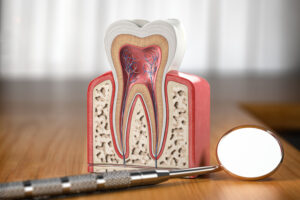
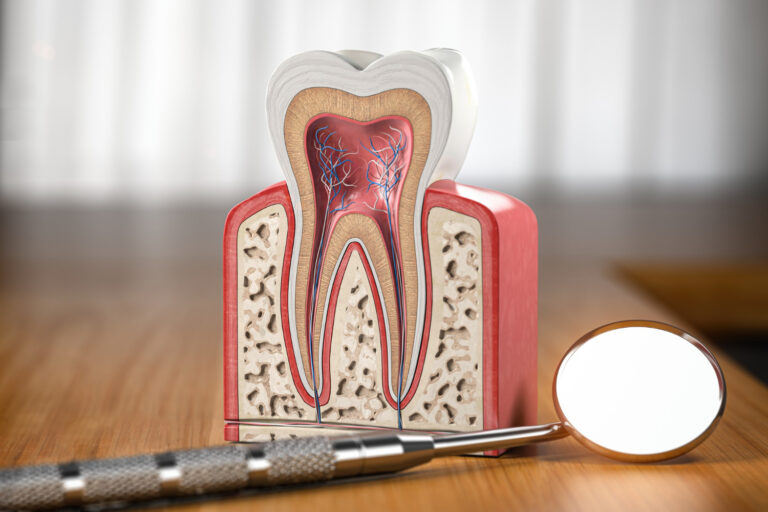
The dental pulp is the soft tissue inside your tooth. It contains blood vessels, nerves and connective tissue, and it helps create the hard tissue that makes up the outside of the tooth. The pulp extends from the crown of the tooth down to the tips of the roots and continues into the surrounding tissue.
Pulp matters a great deal while a tooth is growing and developing. Once the tooth has fully matured, the pulp is not necessarily needed for the tooth to keep working. That is the whole reason a root canal can save a tooth instead of removing it. The dentist takes out the unhealthy tissue, cleans and seals the inside of the tooth, and the tooth stays in your mouth doing its job.
Why Pulp Damage Happens
Damage to the pulp usually traces back to one of a few sources. Knowing which one applies to you helps your dentist recommend the right treatment and helps you understand the likely outcome.
- Deep decay that reaches the inner chamber of the tooth
- Trauma to the tooth, including injuries from a fall or a car accident
- A crack or fracture that opens a path to the pulp
- Repeated dental work on the same tooth over the years
- Irritation that builds slowly and leaves the pulp inflamed
An inflamed or infected pulp does not heal on its own. Left alone, the problem can spread past the tip of the root into the surrounding tissue, which is often when swelling, pressure and a bad taste appear. If the damage followed a car accident, some Great Neck practices work with no-fault insurance and can perform root canal therapy in that situation, so it is worth asking about coverage early rather than assuming you have to pay everything up front.
Signs You May Need Endodontic Treatment
Endodontics covers the diagnosis and treatment of problems with the dental pulp, and the symptoms that send people to an endodontist or general dentist tend to look like this:
- Lingering sensitivity to hot or cold that stays after the food or drink is gone
- Pain when chewing or biting down
- A dull ache or throbbing in one area of the jaw
- Swelling in the gum or face near a specific tooth
- A tender, inflamed gum next to one tooth
- A tooth that has darkened compared with its neighbors
- A small bump on the gum that comes and goes
Not every item on that list points to the pulp. A cracked tooth, a loose filling or a sinus problem can feel similar. Some damaged teeth cause no symptoms at all and only turn up on an X-ray. That is why an exam and imaging come before any treatment decision, not after.
Before the Procedure: The Evaluation
Your first appointment is about confirming which tooth is the problem and how far the damage has gone. Expect a visual exam, X-rays, and a few simple tests such as cold stimulation or tapping on the tooth. Your dentist will also check the gums and the surrounding bone for signs that infection has moved beyond the root.
This is also the point where your options get discussed. Alternatives to root canal exist, and depending on the tooth, extraction may be one of them. Your dentist should explain what each path means for your bite, your budget and your timeline. Ask about the number of visits expected, whether a specialist will be involved, and what kind of final restoration the tooth will need. Write your questions down beforehand if you tend to forget them in the chair.
The Procedure, Step by Step
The steps below reflect how endodontic treatment is typically carried out. Your own visit may differ depending on which tooth is involved, how many canals it has, and how much infection is present.
Numbing the Area
Local anesthetic is used to make the tooth and surrounding gum comfortable before anything else happens. The dentist will usually test that the area is numb before starting. If you have had trouble getting numb in the past, or you feel anxious about dental work, say so at the start of the appointment so the team can adjust the approach.
Isolating the Tooth
The tooth is separated from the rest of your mouth, often with a small rubber sheet, so saliva stays out of the working area and no debris ends up where it should not. This step also keeps the tooth dry, which matters for the materials used later.
Creating Access
A small opening is made through the top of the tooth to reach the pulp chamber. From there, the damaged tissue inside the tooth is removed, and the canal space is cleaned thoroughly. This is the part of the appointment most people picture when they think of a root canal, and it is also the part that ends the source of the pain.
Cleaning and Shaping the Canals
Each root has one or more narrow canals, and those canals get cleaned, disinfected and shaped so they can be filled completely. Front teeth usually have a simpler canal system than molars, which is one reason treatment time varies so much from tooth to tooth.
Sealing the Tooth
Once the canals are clean and dry, they are filled and sealed to close off the space where bacteria were living. A temporary filling may go on top to protect the tooth between visits.
Restoring the Tooth Afterward
A tooth that has had endodontic treatment is more fragile than it was before, especially a back tooth that carries heavy chewing force. A permanent restoration, often a crown, protects what is left of the tooth and restores normal function. Skipping this step is one of the most common ways a treated tooth ends up failing later.
Will You Feel Anything?
The goal is a comfortable appointment, and modern anesthetic makes that realistic for most patients. You may still feel pressure, movement and vibration, which is normal. Sharp pain is not. If something hurts, raise your hand and say so, because the team can stop and add more anesthetic.
Tell your dentist about dental anxiety before treatment rather than during it. Offices that treat nervous patients usually have ways to make the visit easier, from taking breaks to adjusting how the appointment is paced. If you are interested in a holistic approach to dental care, ask what options the practice offers and how those choices fit with the treatment you need.
How Long Will You Be in the Chair?
Appointment length depends on the tooth. A single-rooted front tooth is usually quicker than a molar with several canals, curved roots or a history of previous dental work. Some root canals are completed in one sitting, while others are handled across two visits, particularly when infection is significant or the tooth needs time to settle between appointments. Ask for a realistic time estimate when you schedule, and plan your day so you are not rushing afterward.
Recovery After a Root Canal
Most people leave the office with numbness that fades over a few hours. Tenderness in the area for a few days is common, especially when the tooth was sore before treatment. A few practical habits help:
- Avoid chewing on the treated side until the permanent restoration is in place
- Take over-the-counter pain relief as directed if you need it
- Keep brushing and flossing, but be gentle around the treated tooth at first
- Call the office if swelling increases, the bite feels off, or pain gets worse instead of better
Many people return to work or school the next day. If your job involves heavy physical activity or you had significant infection before treatment, give yourself a little more room in your schedule. Most of the discomfort people remember is the toothache that led to the appointment, not the recovery from it.
Root Canal or Extraction
When a tooth cannot be saved, replacing it becomes the next conversation. A dental implant is a titanium post placed into the jawbone to replace a missing tooth root, and it is one of several ways to fill the gap. Here is a plain look at the trade-offs.
| Consideration | Root canal plus restoration | Extraction plus replacement |
|---|---|---|
| Natural tooth | Kept in place | Removed permanently |
| Number of procedures | Treatment plus a crown or filling | Extraction, then implant, bridge or denture work |
| Timeline | Often completed in a short window | Can stretch over months while bone and tissue heal |
| Best suited for | Teeth with enough healthy structure left | Teeth that are cracked beyond repair or too infected to save |
Your dentist should be direct with you about which category your tooth falls into and why. If the answer is not clear, ask what would change the recommendation.
Getting Care in Great Neck
Great Neck has both general dentists who handle root canals and endodontists who focus only on the pulp and the tissues around the roots, including retreatment of teeth that did not heal the first time. Complex anatomy, a previous failed root canal, or a tooth with a history of trauma are common reasons to be referred to a specialist. Either way, the questions worth asking are the same: who will perform the treatment, how many visits it will take, what the final restoration will be, and what your insurance covers before anything begins.
Cost, coverage and scheduling details vary by practice and by tooth, so confirm them directly with the office handling your care rather than relying on general information. A short phone call before your appointment can answer most of it.
Frequently Asked Questions
Does a root canal hurt?
The appointment itself is usually comfortable because the area is numbed first. Pressure and vibration are normal, sharp pain is not, and you can ask for more anesthetic at any point. Most soreness afterward comes from the inflammation that was already there before treatment, and it typically settles within a few days.
How many days of rest do I need after a root canal?
Many people go back to work or school the next day. If the tooth was badly infected or your job is physically demanding, you may want an extra day. Plan to avoid hard chewing on that side until your permanent restoration is placed, since the tooth is weaker in the meantime.
Is it better to pull the tooth instead?
Keeping your natural tooth is usually the preferred outcome when enough healthy structure remains, because nothing replaces a tooth quite like the original. Extraction makes sense when the tooth is cracked beyond repair or too infected to save. If a tooth is removed, an implant is one option for replacing the root.
Why does a root canal cost what it does?
Fees depend on which tooth is treated, how many canals it has, whether a specialist is involved, and whether a crown is needed afterward. A molar with several canals takes more time and skill than a front tooth. Ask for a written estimate, and remember that a procedure can be medically necessary and still not be fully covered by insurance.
When is it too late to avoid a root canal?
Once the pulp is irreversibly inflamed or infected, it cannot heal itself, so the realistic paths are cleaning out the tooth or removing it. A mildly irritated pulp sometimes settles with other treatment. An exam and imaging are the only reliable way to know which situation you are facing.