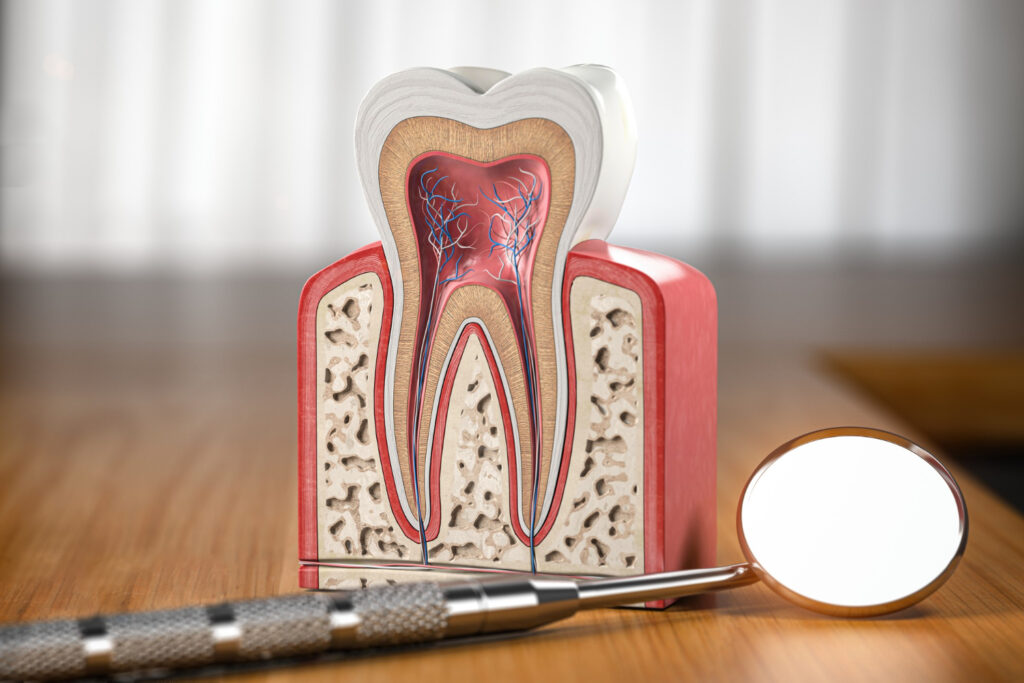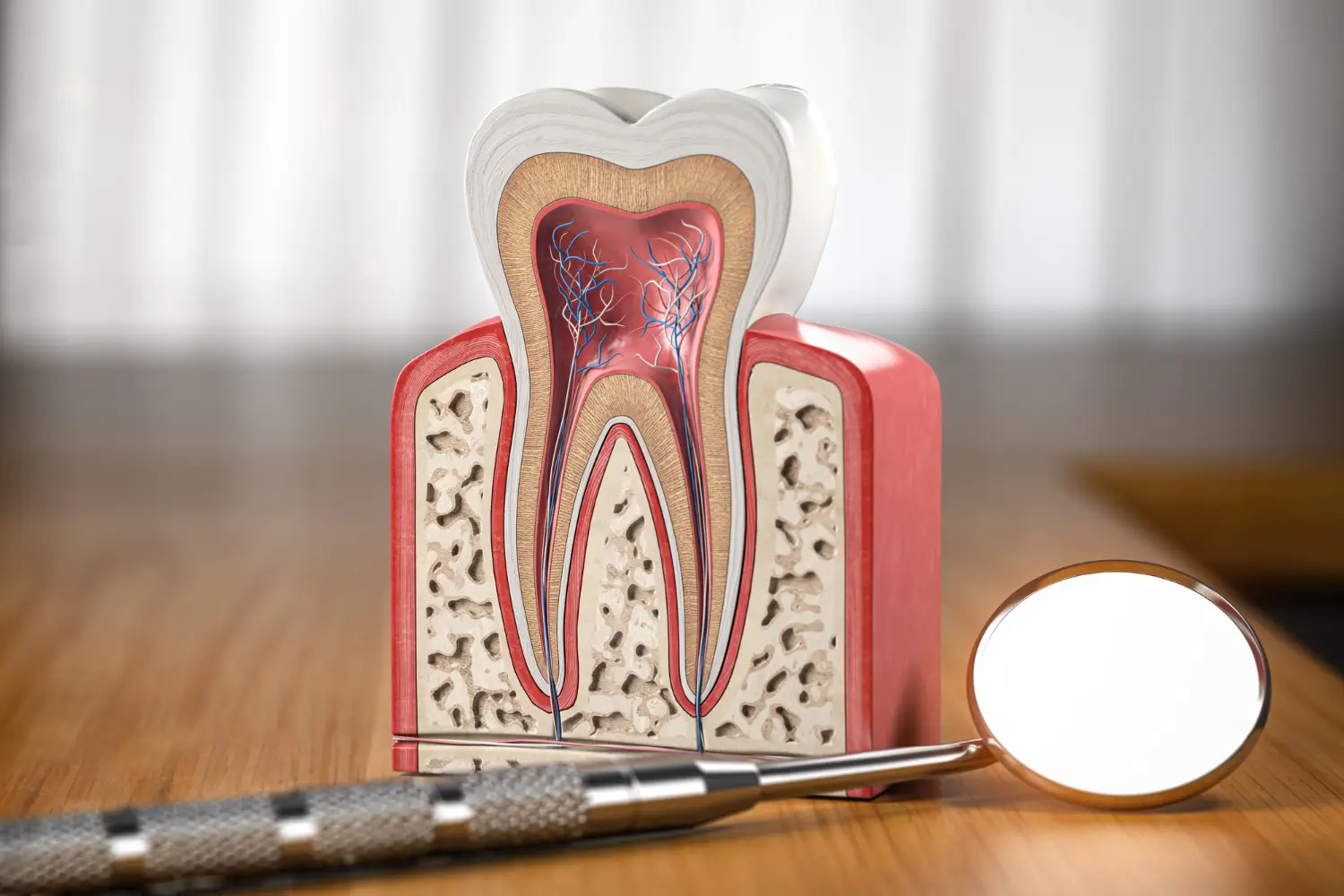
A tooth that throbs, aches when you bite down, or stays sensitive long after a hot drink has cooled may be sending a message from deep inside. The pulp, the soft tissue at the center of a tooth that holds its nerves and blood vessels, can become infected or inflamed. When that happens, root canal therapy is the treatment that removes the infected tissue and seals the tooth so it can stay in your mouth. Dentists and endodontic specialists throughout Great Neck perform this procedure regularly, and modern techniques have made it a routine appointment rather than a feared one.
Why Saving Your Natural Tooth Is Worth It
The alternative to a root canal is usually extraction. Keeping your natural tooth means you keep your own chewing surface and the root that anchors it in place. Once a tooth is removed, the gap typically needs to be filled with something, whether that is an implant, a bridge, or a partial denture. Those are excellent options, and North Shore Cosmetic and Implant Dentistry provides them, but they involve additional appointments and additional expense. A tooth that can be saved with root canal treatment is often the simpler and more conservative path.
Signs You May Need a Root Canal
Not every tooth that hurts needs endodontic treatment, but certain patterns point toward infection of the pulp. Common signs include:
- Persistent pain, especially a deep ache that lingers
- Sharp sensitivity to hot or cold that continues after the source is gone
- Pain or tenderness when biting or pressing on the tooth
- Swelling in the gum near the tooth or in the face
- A bad taste or persistent odor in the mouth
- A small bump on the gum that may come and go
- Darkening or discoloration of a single tooth after an injury
Pain is not always part of the picture. Sometimes a tooth that has lost its nerve supply quietly changes color or shows up on an X-ray during a routine exam. That is one reason regular dental visits matter. An infection found early is often easier to treat than one that has been developing for months.
What Happens During Root Canal Treatment
The goal is straightforward: remove the infected or inflamed pulp, clean and shape the inside of the root canals, and seal the space so bacteria cannot return. Your dentist will explain the plan for your specific tooth, but a typical appointment follows a predictable sequence.
- The area around the tooth is numbed so you stay comfortable.
- The tooth is isolated to keep the working area clean and dry.
- An opening is made through the top of the tooth to reach the pulp chamber.
- The infected pulp tissue is removed using small, specialized instruments.
- The canals are cleaned, disinfected, and shaped.
- The canals are filled and sealed with a rubber-like material.
- The tooth is closed with a temporary or permanent restoration.
How Many Visits Does It Take?
Root canal treatment normally requires one to two appointments, depending on the tooth and the extent of the infection. Front teeth with a single canal are often finished quickly, while molars with several canals can take longer. If the infection is severe or the anatomy of the tooth is unusual, your dentist may refer you to an endodontist, a specialist who performs root canals as the main focus of their practice.
Root Canal Versus Extraction
Both options remove the source of infection. The difference is what you are left with afterward, and that difference shapes the decision for most patients.
| Consideration | Root canal treatment | Extraction |
|---|---|---|
| What happens to the tooth | The natural tooth stays in place | The tooth is removed |
| Follow-up restoration | Often a crown or filling to protect the tooth | The gap usually needs an implant, bridge, or partial denture |
| When it is usually considered | When enough healthy tooth structure remains to restore | When the tooth is fractured or too damaged to save |
Does Root Canal Treatment Hurt?
The pain people associate with root canals usually comes from the infection itself, not the procedure. Treatment is performed with local anesthesia, and the entire point of the appointment is to remove the source of that pain. Because the area is numbed, the procedure is typically far more comfortable than the toothache that brought you in. If you feel anxious about dental visits, say so before the appointment begins. Practices such as North Shore Cosmetic and Implant Dentistry build their care around nervous patients and can walk you through each step so nothing feels like a surprise.
Technology That Makes Modern Root Canals More Predictable
Endodontic care has changed considerably over the past few decades. Digital imaging lets the dentist see the shape of the roots and identify infection before treatment starts rather than discovering it midway through. Advanced training and specialized instruments allow canals to be cleaned more thoroughly and sealed more precisely, which improves the odds that the tooth stays healthy long term. For patients, that translates into fewer surprises, a clearer picture of what is happening inside the tooth, and a better chance of keeping it.
Who Performs Root Canals in Great Neck?
Both general dentists and endodontists perform root canal treatment, and directory listings show a large number of endodontic specialists practicing within a short drive of Great Neck. A general dentist may handle straightforward cases and refer complex ones, such as a tooth with curved canals, a previous root canal that needs retreatment, or an active abscess. If your dentist recommends a specialist, it does not mean something has gone wrong. It usually means the case calls for extra training and specialized equipment.

Aftercare Following a Root Canal
Once the infection is cleared, the tooth needs a little time and protection before it is fully back to normal.
- Avoid chewing hard foods on the treated tooth until your dentist confirms it is safe
- Take any recommended pain relievers as directed
- Keep brushing and flossing the area gently as part of your normal routine
- Attend the follow-up visit, especially if a permanent crown was planned
- Call the office if swelling increases, pain worsens instead of easing, or a temporary filling comes out
What About Cost and Insurance?
The cost of a root canal depends on several factors: which tooth is treated, how many canals it has, how complex the case is, and whether a crown or other restoration is needed afterward. Because those factors vary from patient to patient, there is no single price that applies to everyone. Ask the office for a written estimate before treatment begins, and check with your dental insurance carrier about coverage and any waiting periods. Comparing that estimate against the total cost of extraction plus a replacement tooth is often useful when you are weighing the options.
Questions to Ask Before You Book
A short conversation at the start saves confusion later. Consider asking:
- Who will perform the treatment, and will a specialist be involved?
- How many appointments should I expect?
- What restoration will follow the root canal, and when?
- What should I expect in terms of discomfort afterward?
- What does the estimate include, and what might add to it?
Frequently Asked Questions
How do I know if I need a root canal?
The only way to know for certain is a dental exam. Dentists look for signs such as lingering pain, sensitivity to heat, tenderness when biting, swelling, or a change in tooth color, and they confirm the diagnosis with imaging. A tooth that hurts does not always need a root canal, and a tooth that has gone quiet can still be infected underneath.
How many appointments does root canal treatment take?
Most root canals are completed in one or two appointments. Simple single-rooted teeth can often be finished in a single visit, while molars with multiple canals or teeth with significant infection may need more time or a second appointment. Your dentist can give you a better estimate once the tooth has been examined and imaged.
Is it better to have the tooth pulled?
Saving the natural tooth is usually the preferred approach when enough healthy structure remains. Extraction removes the problem but also the tooth, and the resulting gap typically needs a replacement such as an implant or bridge. Extraction may be the better choice when a tooth is fractured below the gum line or too damaged to restore, and that is a decision to make with your dentist.
Will I need a crown after a root canal?
Frequently, yes, especially for back teeth that carry heavy chewing forces. A treated tooth can become more brittle over time, and a crown covers and protects it. Your dentist may place a temporary filling first, then schedule the permanent restoration once the tooth has settled. Some front teeth can be restored with a filling instead.
What should I do if I am nervous about the appointment?
Tell the dental team before treatment day. Practices that work with anxious patients can explain each step, agree on a signal to pause, and discuss comfort options. Bringing headphones, asking questions ahead of time, and choosing a longer appointment slot all help. Knowing what to expect before you sit down often reduces anxiety more than anything else.
Conclusion
Root canal treatment can help you keep a natural tooth when infection or inflammation reaches the pulp. Acting early may prevent the problem from becoming more complicated and give you more options for protecting your smile. If you are experiencing persistent tooth pain, sensitivity, swelling, or discomfort when biting, do not wait for symptoms to worsen. Contact North Shore Cosmetic and Implant Dentistry to schedule an evaluation in Great Neck, NY. Our dental team can examine the tooth, explain your treatment options, and help you move forward with confident, comfortable care.